 By Zach Pozniak, VP of Operations at Jeeves of Belgravia New York and fourth-generation dry cleaner · @jeeves_ny
Quick answer: Homemade laundry detergent can clean lightly soiled clothes, but it usually underperforms a well-formulated store-bought detergent. The best results come from using a real detergent and adding boosters only when needed.
If avoiding harsh ingredients is the reason you went homemade, there are tested non-toxic detergents that get you there without giving up cleaning power.
Sometimes, but not as well as most people expect. The common DIY recipes you see online can remove some everyday dirt and a portion of stains, but they usually land in the “good enough for lightly soiled laundry” category rather than true heavy-duty cleaning.
In our testing, a typical powder recipe performed around average on stain removal. That means it can help with routine loads, but it is not a magic replacement for a well-formulated commercial detergent.
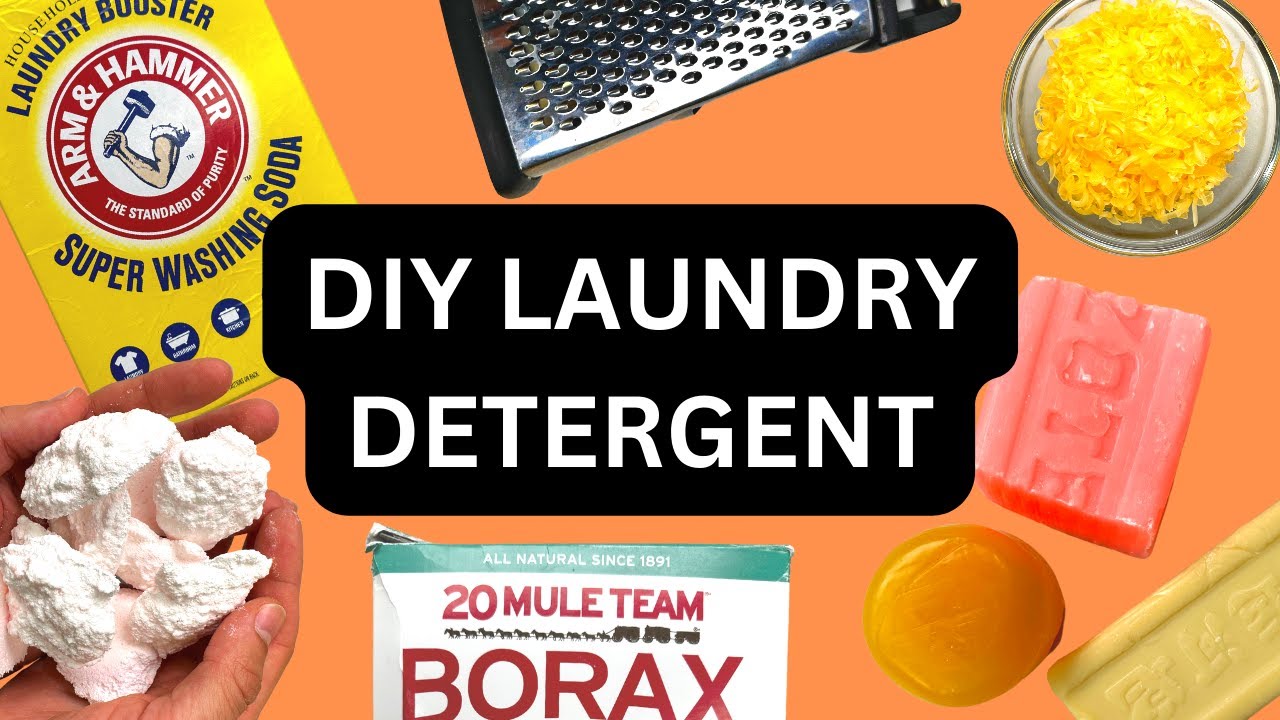
If your goal is clean clothes with minimal hassle, the biggest issue is that many homemade recipes are built around laundry bars, baking soda, borax, and washing soda without enough of the ingredients that actually do the cleaning work.
Most homemade detergent recipes look impressive because they include multiple powders and a grated bar soap, but that does not automatically make them effective. Store-bought detergents are engineered to clean in real wash conditions: different water temperatures, hard water, body oils, food stains, and modern high-efficiency machines.
DIY recipes often underperform because they are diluted, unbalanced, or missing key cleaning agents. A grated laundry bar is not the same thing as a purpose-built detergent. And if the recipe leans too hard on fillers like salt or extra baking soda, you are adding bulk without much cleaning power.
Another common problem is using too little product. If a recipe is mostly water or packed into pods with weak concentrations, it may look convenient but still clean poorly.
The best detergents usually combine three things: surfactants, enzymes, and builders.
Surfactants lift body oil and grime off fabric so they can rinse away. This is a major reason laundry-specific products work better than castile-style soap or grated bars. For a DIY approach, a laundry-focused surfactant blend is much better than a random soap base.
Enzymes help break down protein, starch, and other stubborn stains. They matter if you wash food stains, sweat, body soil, or kids’ clothes. Without enzymes, a recipe may clean surface dirt but struggle with the stains people care about most.
Builders like washing soda and borax help soften water and support cleaning. Washing soda is the strongest and most useful of the common DIY ingredients. Baking soda helps more with odor than cleaning, and some ingredients people add are basically dead weight.
Our practical take: if you want a homemade booster, use a powder blend built around washing soda, borax, and oxygen bleach, then adjust for your water and soil level. Skip the fluff.
DIY detergent is not automatically a bargain. Once you buy the ingredients, the upfront cost can look high, even if the batch makes a lot of laundry product. In one of our tests, a homemade formula came out to roughly 25 cents per load. That is not outrageous, but it is only slightly above the national average for store-bought detergent.
That means the “cheap” part is often overstated. If you are making detergent to save money, the real savings usually come from using less product, choosing a good powder, and avoiding unnecessary extras like essential oils, salt, or fancy add-ins.
Also, if a homemade recipe cleans worse, any savings can disappear fast because you may need rewashes, pretreatments, or extra stain treatment.
If you want better cleaning without overspending, we recommend a simpler approach:
If you want a DIY-style option, a booster blend is usually smarter than a full homemade detergent. It gives you flexibility without giving up the cleaning power of a real detergent.
Bottom line: homemade laundry detergent can work for basic washing, but it is usually less effective and less efficient than a well-made detergent plus the right booster.
If you are dealing with delicate fabrics, expensive garments, or persistent stains, professional help is worth it before you experiment.
Or ask about any laundry or garment care question
Zach Pozniak is VP of Operations and co-owner of Jeeves of Belgravia New York, the Madison Avenue dry cleaner serving New York since 1979, and the fourth generation of his family in the trade. Zach posts garment care techniques as @jeeves_ny on TikTok to over 900,000 followers, and his book The Laundry Book, co-written with his father Jerry Pozniak, was featured on Good Morning America in October 2024. Jeeves NY's clients include the Metropolitan Opera, the Met Museum, and FIT, and the business has been featured in The Wall Street Journal and New York Magazine.